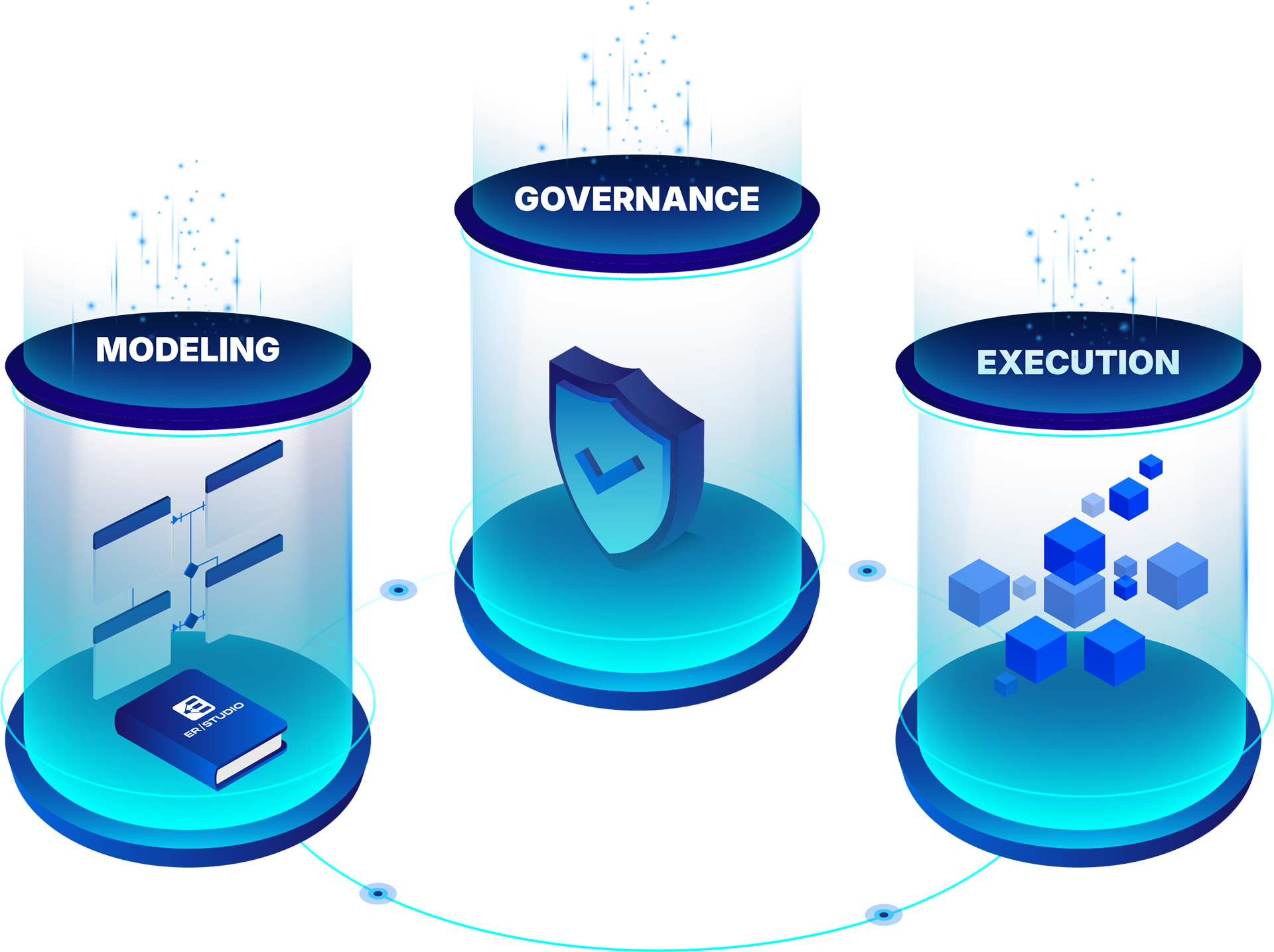
Most ranked lists of “semantic layer tools” compare products that aren’t actually competitors. A shortlist that throws Dremio, Cube, AtScale, and dbt on one slide, Collibra, Purview, and Alation on the next, then drops ER/Studio or SAP PowerDesigner in alongside them isn’t ranking ten options for one job. It’s ranking three different jobs and presenting them as one.
The category spans three architectural tiers that solve three separate problems:
A credible buyer’s guide has to separate them before it can rank anything inside them.
This guide explains the three-tier framework, walks through what breaks when teams collapse one tier into another, lays out the pairing pattern mature stacks use, and then ranks ten tools across all three tiers using a consistent evaluation structure.
Trying to figure out where modeling, governance, and execution fit in your stack? We can walk through your environment and show you where the seams usually fail in architectures like yours.
Semantic layer tools translate physical data structures into business-meaningful definitions. The translation has three jobs that often get bundled under one name, which is where most buyer confusion starts.
A tool can specialize in one tier or span two. None of the credible tools span all three. That is why a single, ranked list comparing them produces an apples-to-oranges shortlist.
Each tier covers something the other two depend on. When teams treat them as interchangeable, specific failure modes show up in production.
| Collapse pattern | What happens | Why it matters |
|---|---|---|
| Modeling collapsed into governance | Definitions get approved at the business layer with no corresponding physical model. Downstream systems implement them inconsistently because no one owns the structure. | Governance catalogs fill up with business terms that don’t reconcile to any specific schema. Lineage queries return paths that don’t exist in the warehouse. |
| Governance collapsed into execution | Each BI tool or metric store defines its own version of “active customer.” There is no shared definition layer above the engines. | Metric drift across teams. Finance, marketing, and product run the same metric name and get three different numbers. |
| Modeling tier skipped entirely | Governance owns the glossary, execution owns the queries, and no one owns the underlying structures the other two depend on. | Schema changes break governance lineage and execution queries simultaneously. The team in the middle has no authoritative reference to roll back to. |
The three tiers work together. Mature stacks pair them in a specific order: Modeling upstream, governance in the middle, execution downstream. Each tier feeds the next, and the bridges between them are how definitions stay anchored.
ER/Studio’s MetaWizard bridges to Purview and Collibra are why this pattern works in practice. When the logical model changes, the bridges synchronize the metadata into the governance catalog automatically. The execution tier then inherits a definition that has been versioned, approved, and traced back to the physical schema before any query runs. That is what “one source of truth” actually requires, and it is the integration most semantic-layer comparisons leave out.
Most semantic layer evaluations skip past these because they feel like prerequisites. Skipping them is how stacks end up with three tools doing two jobs, and one job no one owns.
Trying to figure out where the modeling tier should sit in your stack? We can walk through what your governance and execution layers actually need from the model underneath, and where ER/Studio fits. Book a working session.
Inclusion on this list required clearing three criteria, applied differently by tier. The criteria reflect what the tier itself has to do, which is why a modeling tool and an execution engine were never measured against the same yardstick.
Three tools earned inclusion in the modeling tier. ER/Studio brings the deepest catalog integration through MetaWizard bridges into Microsoft Purview and Collibra, which is what regulated industries lean on for audit-ready lineage. SqlDBM brings native modeling to teams whose work shifted to Snowflake, Databricks, and BigQuery, with reverse engineering and dbt-compatible YAML output. SAP PowerDesigner remains in production at SAP-aligned shops and shaped the enterprise modeling category for decades.
Three tools earned inclusion in the governance tier. Microsoft Purview leads for organizations standardized on Azure, Microsoft 365, and Microsoft Fabric, with cross-cloud scanning into AWS, Google Cloud, and Snowflake. Collibra anchors regulated industries with formal stewardship programs through its policy and approval workflows. Alation pairs catalog and search with behavioral analytics that surface which datasets people actually use.
Four tools earned inclusion in the execution tier. dbt Semantic Layer compiles YAML metric definitions into SQL at query time inside the dbt project. Cube serves as a standalone semantic layer with REST, GraphQL, SQL, MDX, and DAX APIs and CubeStore pre-aggregations for sub-second latency. AtScale brings governed MDX and DAX consumption to Excel and Power BI populations across cloud warehouses. Dremio combines the semantic layer with query federation and an Iceberg-native lakehouse on one platform.
The order within each tier below doesn’t reflect a ranking. It reflects how the tools tend to come up in architect evaluations and which audiences they fit best.
Modeling tier. The first three tools below sit at the design layer, where logical and physical models get defined before anyone queries them.
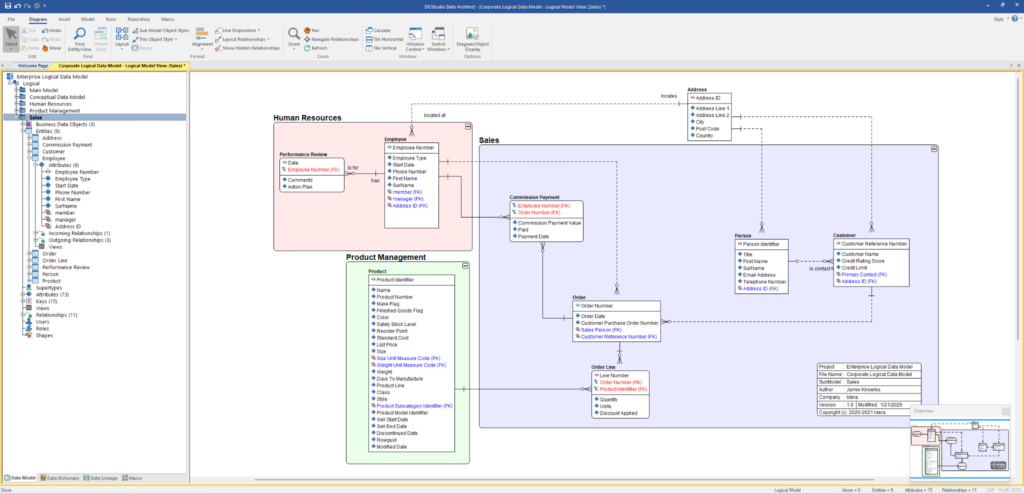
ER/Studio operates as the system of record for logical and physical data models in environments where lineage has to hold up under regulatory scrutiny. Teams use it to anchor conceptual entities to physical schemas through Business Data Objects, publish the resulting glossary and model to a broader audience through Team Server, and synchronize that metadata directly into governance catalogs through MetaWizard bridges to Microsoft Purview and Collibra. The Named Releases feature captures point-in-time snapshots of the model, which becomes the artifact teams reach for during a rate filing review or a regulatory examination, when the question is what definition was in production at a specific date. ER/Studio fits naturally into stacks that already have a steward function, a governance catalog downstream, and an execution tier that consumes governed definitions.
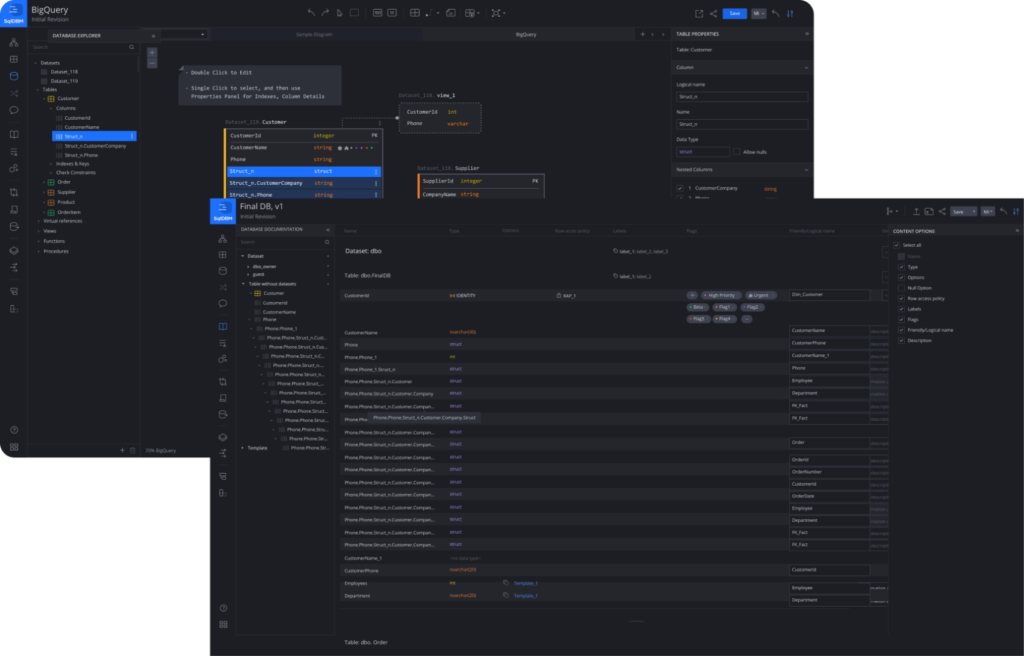
SqlDBM brings data modeling into the browser and onto the cloud platforms most modern teams are already using. The native connectors to Snowflake, Databricks, and BigQuery reverse-engineer existing schemas in seconds, and forward engineering produces clean platform-specific DDL or dbt-compatible YAML directly from the diagram. Real-time collaboration in the workspace mimics the way software engineers review code, with diagram comparisons, comments, and project version history all in one place. Teams that adopted dbt and a cloud warehouse early tend to land on SqlDBM because it produces artifacts their existing transformation workflow already consumes.
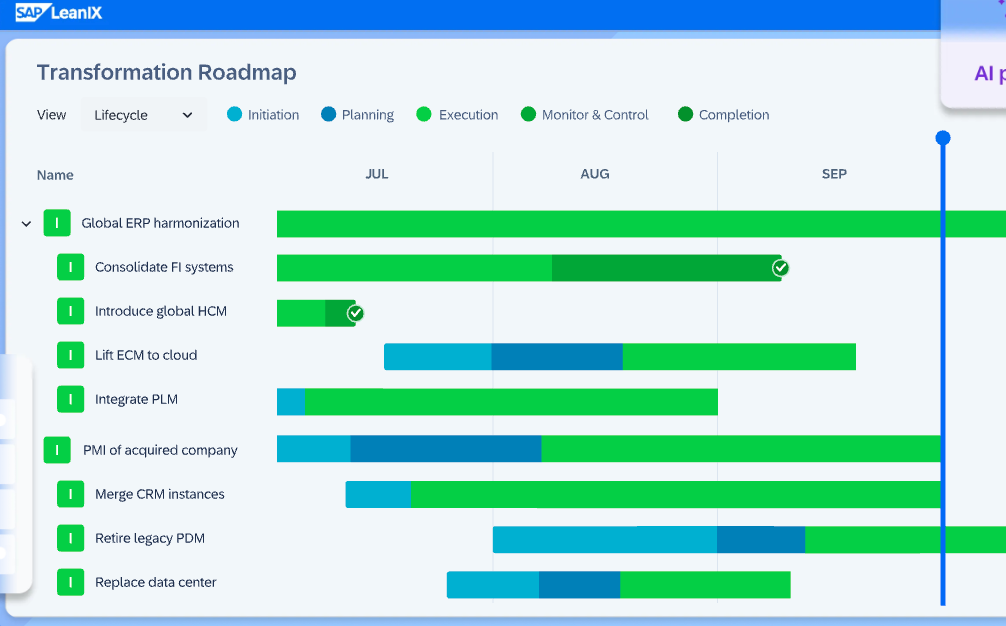
PowerDesigner shaped enterprise data modeling for decades, with a feature set refined across thousands of regulated and complex deployments. The platform covers conceptual, logical, and physical modeling across a wide range of database targets, and its impact analysis and metadata management capabilities became reference points the industry built around. Organizations still on PowerDesigner today use it to anchor models for SAP HANA, SAP BusinessObjects, and other SAP-native workloads where the integration history runs deep. Recent evaluations of PowerDesigner usually pair model usage with transition planning, since SAP has communicated an end-of-maintenance timeline for the product.
Governance tier. The next three tools sit at the meaning layer, where definitions get cataloged, stewarded, and tracked across the enterprise.
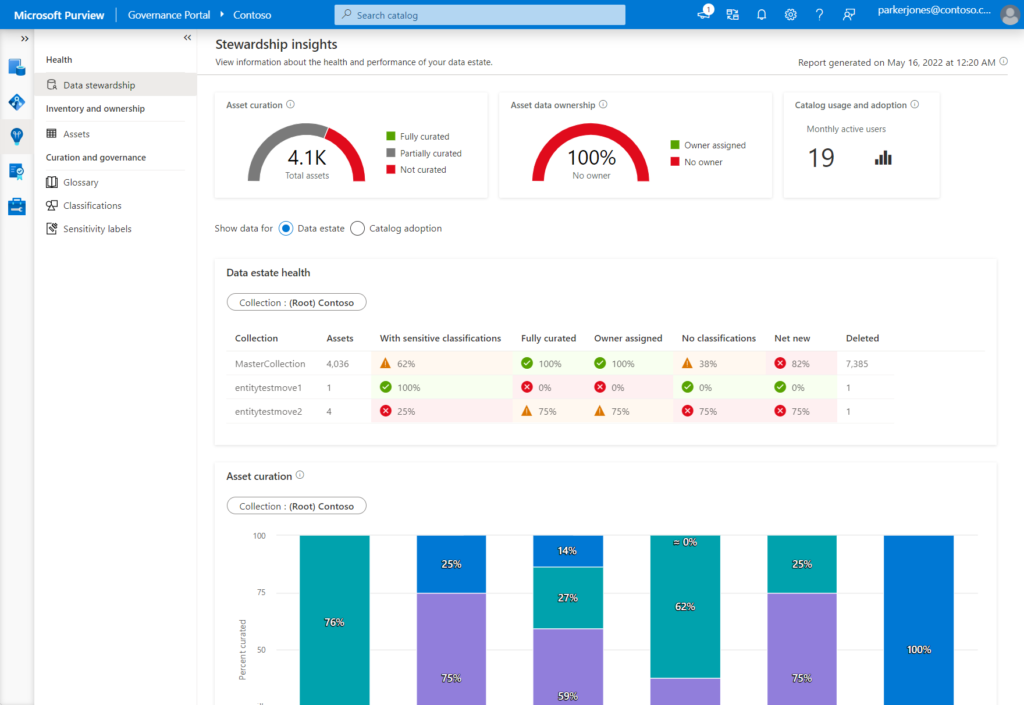
Purview consolidates Microsoft’s data governance, catalog, lineage, and data security capabilities into a single platform. The Unified Catalog gives stewards a search-first experience over their entire estate, and cross-cloud scanning extends beyond Azure into AWS, Google Cloud, and Snowflake. The lineage view connects business glossary terms to the columns and reports they describe, and integration with Microsoft Entra ties access governance back into the same control plane. For organizations already on Azure, Microsoft 365, or Microsoft Fabric, Purview’s native integration removes most of the manual mapping work other catalogs require. Models built upstream in ER/Studio push metadata into Purview through the MetaWizard bridge, so the catalog inherits the model’s definitions automatically.
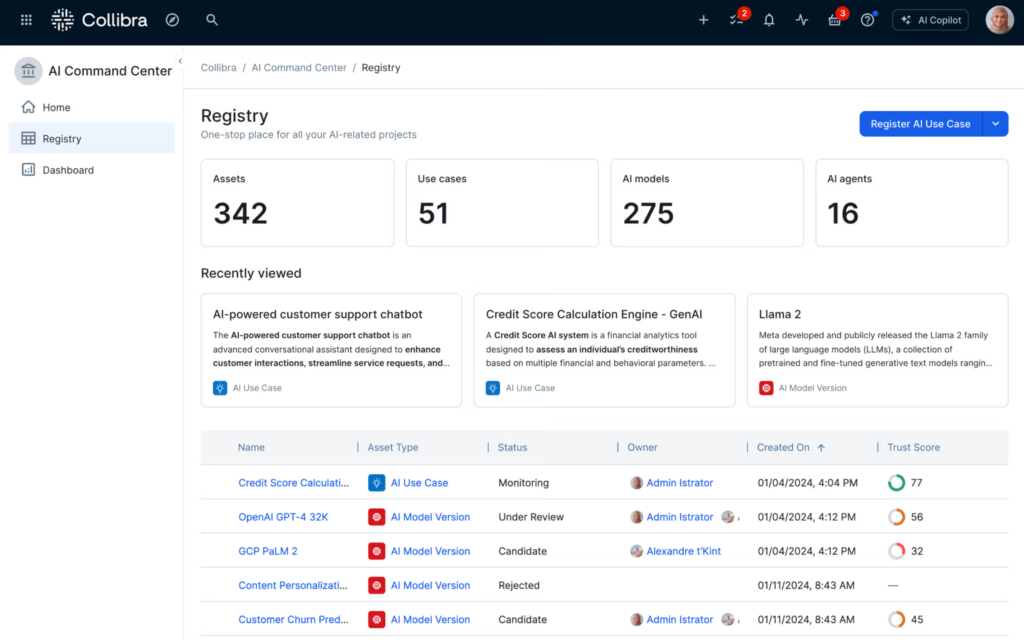
Collibra functions as the policy and stewardship engine for organizations with formal governance programs. The platform’s strength is in workflows: Data stewards approve definitions, business owners sign off on terms, and the resulting glossary becomes the authoritative reference across the enterprise. The connector ecosystem covers most major cloud and on-premises sources, and the lineage features track how a definition flows from the source schema through transformations into reports. Regulated industries with mature stewardship functions consistently land on Collibra because the platform was designed around the workflows their compliance teams already operate. ER/Studio bridges push logical-model lineage directly into the Collibra catalog, so the business glossary references physical models that already exist.
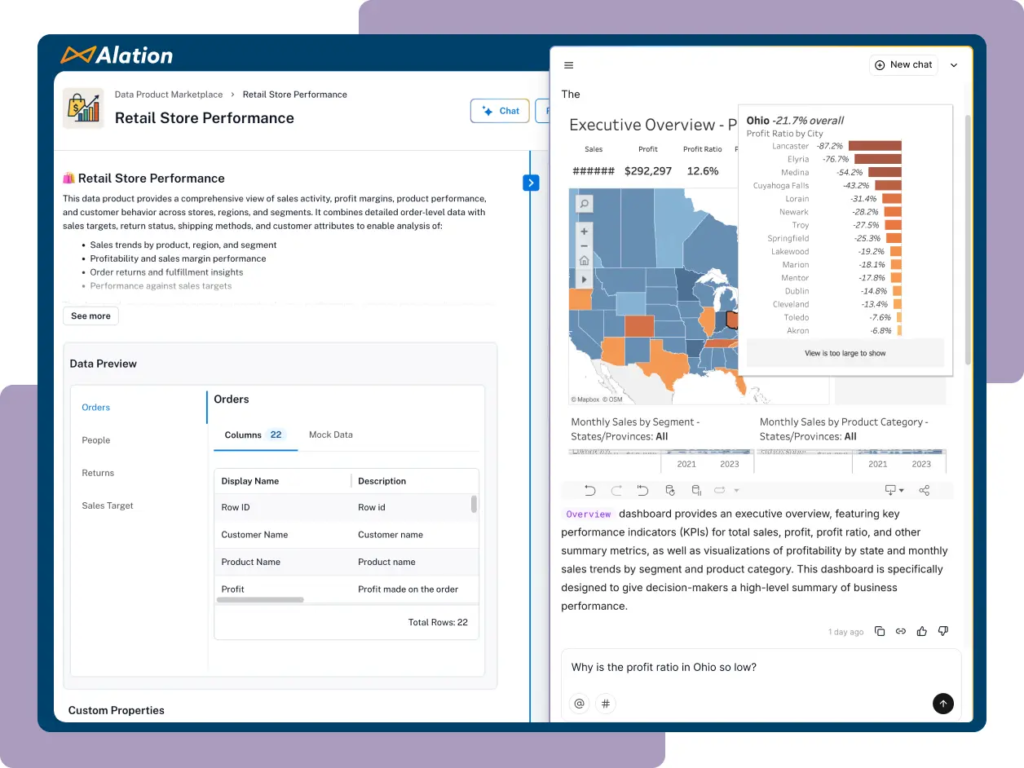
Alation pairs catalog and search with the behavioral analytics that surface which datasets people actually use. The search experience reads closer to a knowledge base than a traditional metadata repository, which makes Alation a natural fit for self-service analytics environments where analysts and business users browse the catalog themselves. Stewardship workflows tie back to the business glossary, and the platform tracks data popularity, certification status, and conversational context across the user base. Organizations that prioritize end-user discovery alongside governance tend to pair Alation with a dedicated modeling tool upstream so the catalog references a maintained logical model.
Execution tier. The final four tools sit at the query layer, where governed definitions get materialized into runtime queries against warehouses, lakehouses, and federated sources.
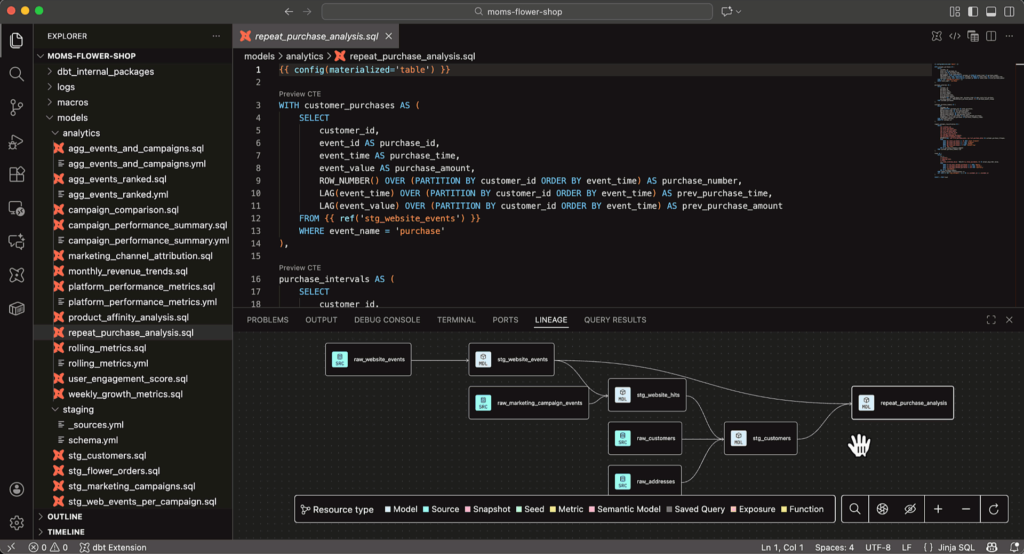
The dbt Semantic Layer brings metric definitions into the dbt project itself, written in YAML next to the transformations that produce the underlying tables. MetricFlow compiles those definitions into optimized SQL at query time, so every BI tool that connects through the JDBC or GraphQL API gets the same metric calculation. Because the semantic models reference dbt’s existing entity, dimension, and measure constructs, the metric layer inherits the transformation logic without duplication. Teams already invested in dbt land here naturally. The semantic models live in the same Git repo, flow through the same pull request review, and ship through the same dbt Cloud deployment as the rest of the project.
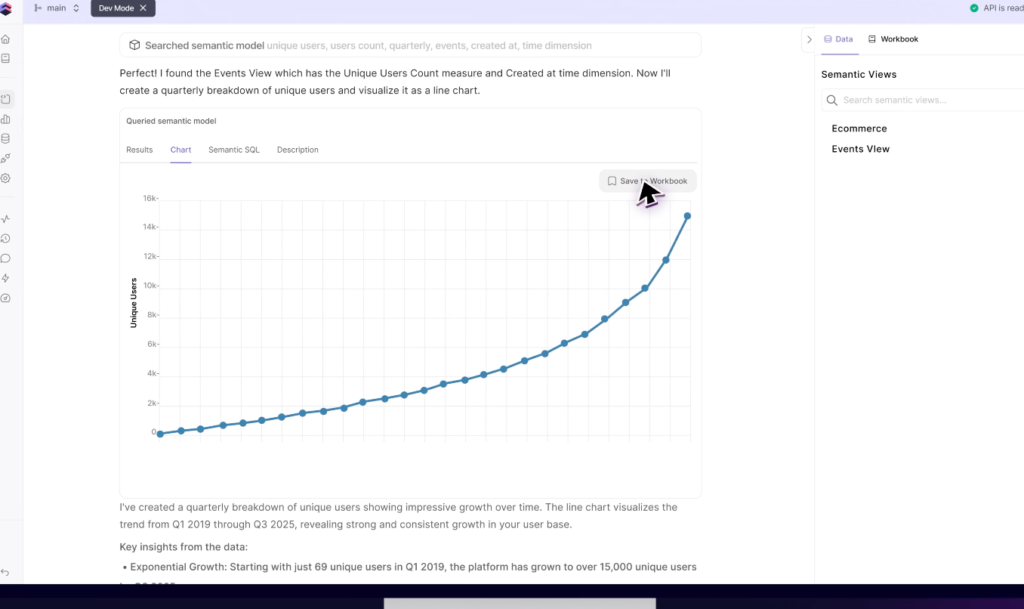
Cube serves as a standalone semantic layer that does more than define metrics. Its serving engine sits between consumers and the warehouse, pre-aggregating frequently queried combinations into CubeStore and exposing the resulting governed metrics through REST, GraphQL, SQL, MDX, and DAX APIs simultaneously. Multi-tenancy and row-level security are first-class concerns through security contexts, which is what makes Cube the default choice for embedded analytics products and customer-facing dashboards where query latency and data isolation both matter. The open-source core under Apache 2.0 means teams can deploy Cube themselves or use Cube Cloud for the managed experience, depending on operational preference.
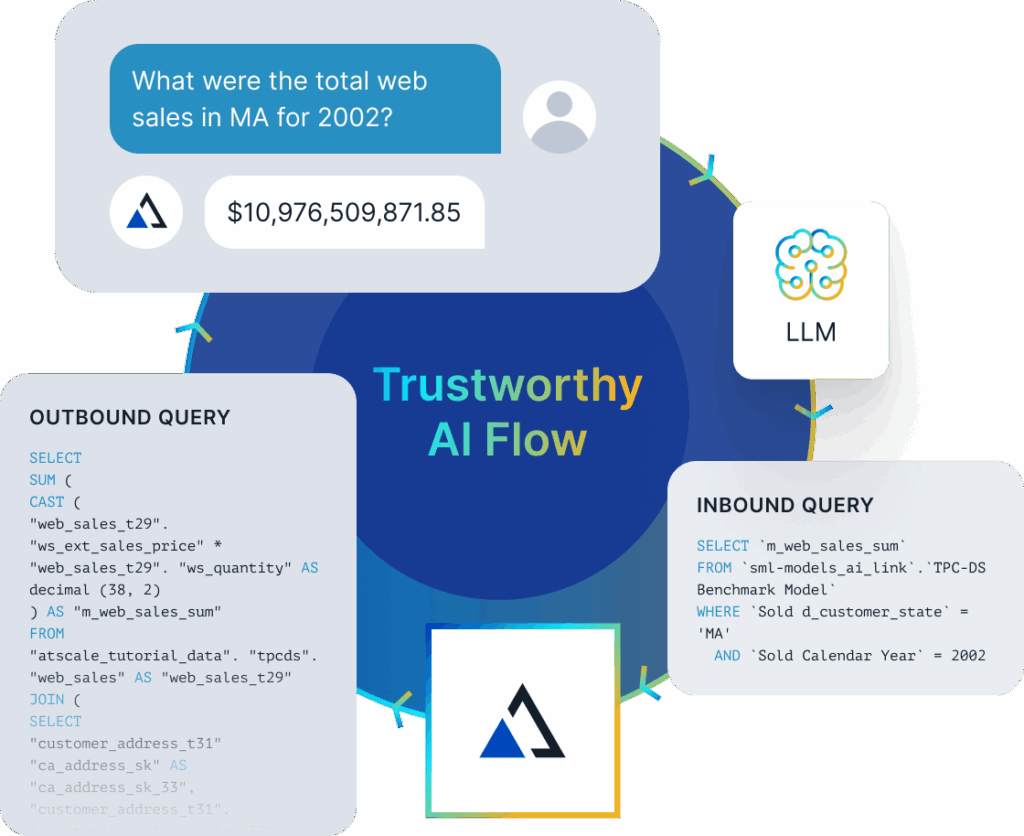
AtScale pioneered the universal semantic layer category and spent more than a decade refining how multi-dimensional analytics work against modern cloud warehouses. The platform’s MDX and DAX support lets existing Excel and Power BI populations consume governed metrics without rebuilding their analytics workflows, and the integration with Snowflake, Databricks, and BigQuery handles the query optimization underneath. Snowflake Ventures led a strategic financing round in late 2025, which signaled deeper alignment for Snowflake-centric deployments. Enterprises with significant traditional OLAP consumption patterns tend to choose AtScale because it lets those workflows survive a move to the cloud warehouse intact.
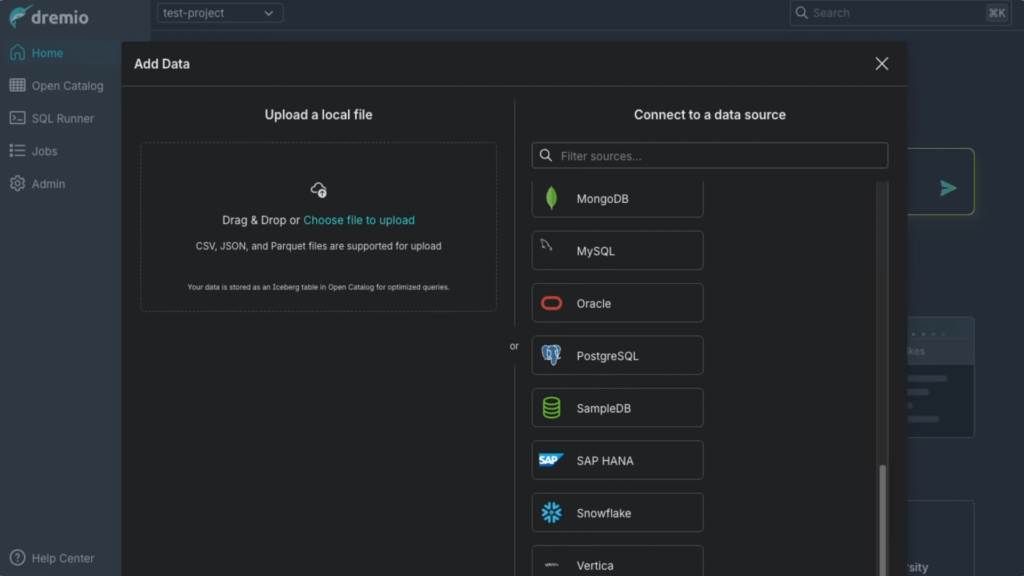
Dremio combines a semantic layer with a query federation engine and an Iceberg-native lakehouse, all on one platform. The semantic layer pairs with Reflections, which automatically materialize and accelerate frequently queried paths without anyone manually building aggregates. Query federation reaches across data lakes, warehouses, and databases without data movement, and the platform’s native Model Context Protocol support gives AI agents structured access to governed definitions. Built on the open Apache Polaris and Apache Arrow standards Dremio co-created, the platform fits naturally into Iceberg-centric architectures where the lakehouse functions as the primary execution surface.
Same ten tools, side by side. The table is built for triage. The Overview and Things you need to know sections above cover the depth.
| Tool | Tier | Best for | Key integration | Pricing model |
|---|---|---|---|---|
| ER/Studio | Modeling | Regulated enterprises needing audit-ready models | MetaWizard bridges to Microsoft Purview and Collibra | Enterprise subscription |
| SqlDBM | Modeling | Cloud-warehouse-native modeling in the browser | Snowflake, Databricks, BigQuery; dbt-compatible YAML | Per-user SaaS, free to enterprise |
| SAP PowerDesigner | Modeling | SAP-aligned shops modeling for SAP HANA | SAP HANA, BusinessObjects, NetWeaver | Enterprise SAP licensing |
| Microsoft Purview | Governance | Azure and Microsoft Fabric estates | Azure, M365, Fabric; cross-cloud to AWS, GCP, Snowflake | Consumption-based |
| Collibra | Governance | Regulated industries with formal stewardship | Cloud and on-premises connectors; ER/Studio bridges | Enterprise subscription |
| Alation | Governance | Self-service discovery alongside governance | Cloud warehouses, on-premises databases, BI tools | Enterprise subscription |
| dbt Semantic Layer | Execution | dbt-native teams version-controlling metrics in Git | JDBC, GraphQL APIs; dbt Cloud | dbt Cloud subscription |
| Cube | Execution | Embedded analytics and latency-sensitive deployments | Snowflake, Databricks, BigQuery, Postgres, ClickHouse | Open source + Cube Cloud |
| AtScale | Execution | Excel and Power BI consumers needing MDX and DAX | Snowflake, Databricks, BigQuery | Enterprise subscription |
| Dremio | Execution | Iceberg lakehouses with federated data sources | Apache Polaris, Apache Arrow, MCP | Free Community + paid tiers |
The pattern that holds up under audit, scale, and reorganization is the same in every mature data stack: Modeling upstream, governance in the middle, execution downstream, with each tier integrated into the next. Stacks that skip a tier carry the cost of that gap in every reconciliation cycle.
If the gap in your stack is at the modeling tier, that is the conversation we have most often. We can look at your current setup, point out where the lineage usually breaks between modeling, governance, and execution, and show you how ER/Studio anchors the other two.
A semantic layer is a representation of data that translates physical structures into business-meaningful definitions. In a complete enterprise stack, it spans three tiers: Modeling (where structures are designed), governance (where definitions are cataloged and approved), and execution (where definitions are materialized into queries at runtime).
No. The dbt Semantic Layer is one tool in the execution tier. It defines metrics in YAML and compiles them into SQL at query time through MetricFlow. A complete semantic layer also needs modeling tooling upstream and a governance catalog in the middle. dbt Semantic Layer is a metric store, not a category.
ER/Studio sits upstream of the governance catalog. MetaWizard bridges synchronize model metadata into Purview or Collibra, so the catalog’s business glossary references the physical schemas the model already documents. Lineage from the model flows into the catalog automatically, which is what makes audit-grade lineage tractable instead of reconstructed in spreadsheets.
Most enterprise stacks need all three eventually. Smaller teams often start at the execution tier with dbt or Cube, then add governance once data sprawl creates audit and quality problems, then add modeling when schema changes start breaking both. Starting from modeling and working downstream costs less than rebuilding the foundation under an already-deployed governance and execution layer.